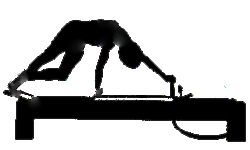

What is Pilates?

Pilates is a low-impact exercise method that was developed by Joseph Pilates in the early 20th century. It emphasizes controlled movements, proper breathing, and alignment of the body. The goal of Pilates is to strengthen the core, improve flexibility, balance, and posture, and enhance overall physical fitness.
Is Pilates similar to yoga?
No. Yoga aims towards achieving divine enlightenment, God-consciousness and transcendence. It may include meditation and chanting. Yoga generally holds specific poses and at times there is an emphasis on stretching only. Pilates is more dynamic and the emphasis is put on toning, stretching, strengthening the powerhouse, and on the biomechanics of exercise movement. Pilates should be viewed as a foundation before attempting Yoga.
Is Pilates only for women?
No! Joseph Pilates was a boxer, wrestler, gymnast, and bodybuilder. The only reason it became thought of as a “feminine discipline” was that his Pilates studio was above a New York dance studio and most of the dancers who came to him for rehab were women.
Is all Pilates the same?
No, not all Pilates is the same. Unfortunately, opportunists have sprung up locally and internationally, to exploit the name and reputation of Pilates with substandard Pilates instructors. In my opinion, this “hybrid Pilates” lowers the standards of Pilates for the sake of increasing profit by having more people per class. This fundamentally changes Mr. Pilates’ original method by ‘dumbing down’ the work. The original method as we teach it is more taxing than the simplified moves advocated by many teachers, but you will find that the benefits are more profound.
Can the elderly do Pilates?
Right from the start, what you see is what you get. We’re all about transparency - you only pay for the resources you use, like hosting. Everything else? It’s on us.
Can pregnant women do Pilates?
Pilates is one of, if not the best thing for an expecting mother. By strengthening the powerhouse, Pilates has the following advantages: Her corset area has extra support while carrying her baby. It provides greater abdominal strength and endurance needed to give birth. The mother’s post-pregnancy recovery will be a lot faster, even after cesarean. The reason being that her abdominals have been trained over the previous month, it has resulted in an increase in vascularization of the muscles and skin and this increase of vascularization will help to speed up the repair process. Increase muscle tone and correct bodily firing sequence will prevent the formation of any body aches or pains Stretching helps to mobilize the joints and allow blood and lymph flow and thereby preventing pooling and again prevents stiffness, aches, and pains from building up If the client has done Pilates before, she may remain in the group class until modifications call on for a one on one. If the expecting mother has never done Pilates she may join the group class if she is in her 1st trimester but will need to attend one-on-one classes if she’s in her 2nd or 3rd trimester.
Can Pilates help with sport?
“An athlete needs appropriate optimal functional movement and must be able to demonstrate good body control, movement and awareness through out numerous positions” - Gray Cook Pilates will give the sportsmen that utilize Pilates, that leading edge physically as well as both mentally and emotionally by educating them on biomechanics behind their sport and helping them prepare their bodies more adequately. Pilates has been shown to benefit sportsmen and women across all sports: Rugby. Less time is spent on the bench and more on the field. Harder tackles. Faster recovery. Higher endurance levels. Cricket. Less to no cramps. Longer and more powerful batting performance. Bowlers have less ankle and shoulder problems. Bowling a lot more accurate and forceful. Golf. Tiger Woods and Ernie Els use Pilates. Can hit the ball further and with more accuracy. Reduce knee and back injuries. Running: Pilates remedies and prevents back hip and knee problems commonly associated with running. ITB problems are eliminated with the introduction of Glute medius utilization. Clients have fewer cramps and endurance a lot greater. Cycling. Fewer back problems due to a more conscious effort on Glute intervention as well as back mobilisation. Swimming Improved times from fewer crams. Better endurance levels resulting from more torso stability. Dancers and Gymnasts Your technique becomes sharper and more precise.
Is Pilates suitable for beginners?
Yes, Pilates is suitable for beginners. The exercises can be modified to suit different fitness levels and abilities. Beginners are often encouraged to start with basic mat exercises to build a strong foundation before progressing to more advanced movements or equipment-based Pilates.
Can one lose weight doing Pilates?

One can definitely lose weight doing Pilates! But it is only an ingredient in the weight loss. Developing good nutritional habits as well as working on mental and emotional blocks are also key.
What are the benefits of Pilates?
Pilates offers numerous benefits, including: Core Strength: Pilates exercises target the deep abdominal muscles, which are crucial for stability and posture. Flexibility: Regular practice helps to lengthen and stretch muscles, increasing overall flexibility. Posture: By strengthening the core and aligning the spine, Pilates can improve posture and reduce the risk of back pain. Injury Prevention: The focus on proper alignment and balanced muscle development helps prevent injuries. Mind-Body Connection: Pilates encourages mindfulness and concentration, promoting mental well-being.
What is the difference between Mat Pilates and Reformer Pilates?
Mat Pilates: Involves performing exercises on a mat using body weight for resistance. It requires minimal equipment and can be done almost anywhere. Reformer Pilates: Utilizes a specialized piece of equipment called a Reformer, which provides resistance through springs and pulleys. Reformer Pilates allows for a wider range of exercises and can be more challenging due to the added resistance.
What should I wear to a Pilates class?
Wear comfortable, form-fitting clothing that allows for ease of movement. Avoid overly loose or baggy clothing, as the instructor needs to see your alignment and posture. Pilates is typically done barefoot or with non-slip grip socks.
Do I need any special equipment to start Pilates?
For Mat Pilates, minimal equipment is needed—just a mat and possibly a few small props like a Pilates ring, resistance bands, or a stability ball. For Reformer Pilates, you would need access to a Reformer machine, typically available at Pilates studios.
Can men do Pilates?
Absolutely! Pilates is beneficial for everyone, regardless of gender. Men can gain significant strength, flexibility, and core stability from Pilates, which can enhance performance in other sports and reduce the risk of injury.
How is Pilates different from yoga?
While both Pilates and yoga focus on mind-body connection, flexibility, and strength, they have different origins and approaches: Yoga: Is a broader practice that includes physical postures (asanas), breathing exercises (pranayama), and meditation & sometimes stretching only. Yoga tends to focus more on flexibility and relaxation. Pilates: Pilates is more dynamic and the emphasis is put on toning, stretching, strengthening the powerhouse, and on the biomechanics of exercise movement. Pilates Emphasizes core strength, controlled movements, and precision. It often uses equipment like the Reformer and focuses on small, isolated movements. Pilates should be viewed as a foundation before attempting Yoga.
How can Pilates help with back pain?
Pilates strengthens the core muscles, which support the spine and can alleviate pressure on the lower back. The focus on alignment and proper posture also helps to reduce strain on the back. Many people find relief from chronic back pain through regular Pilates practice.
What is the “Pilates breath”?
Pilates breathing involves deep, diaphragmatic breathing that expands the ribcage laterally. This technique helps engage the core muscles and maintain stability throughout the exercises. Proper breathing is integral to Pilates practice, aiding in concentration and control of movements.
How long does it take to see results from Pilates?
Results can vary depending on the frequency of practice, individual fitness level, and specific goals. Many people begin to feel benefits, such as increased strength, flexibility, and improved posture, within a few weeks of regular practice. Visible changes, like muscle toning, may take a few months.
Is Pilates a good workout for seniors?
Yes, Pilates is an excellent workout for seniors. It is low-impact, gentle on the joints, and can be easily modified to accommodate varying levels of fitness and mobility. Pilates can help seniors maintain strength, flexibility, and balance, which are crucial for preventing falls and maintaining independence.
© Pilates Fitness 2025. All Rights Reserved