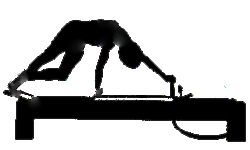
Pilates, Ouma and caffeine: A Lesson on Caffeine and Blood Pressure.
Ouma, a spirited 79-year-old lady, arrived for her Pilates session as usual, but today, something was different. She walked in, looked at me with a serious expression, and asked, "What are the signs of a stroke?"

Ouma, a spirited 79-year-old lady, arrived for her Pilates session as usual, but today, something was different. She walked in, looked at me with a serious expression, and asked, "What are the signs of a stroke?"
My heart nearly jumped out of my chest. My mind raced. Is she having a stroke? Should I call emergency services? My finger was already hovering over the speed dial when I forced myself to take a deep breath and ask, "Why do you ask, Ouma?"—very cautiously.
Still gripping my phone, prepared for the worst, I braced myself for her answer.
Ouma sighed and told me she wasn’t feeling well. Her blood pressure was 170 over... something dangerously high when she took it yesterday evening. I can’t recall the exact number, but it was high enough to set off alarms in my head.
Now, I know Ouma is on blood pressure medication, which made the situation even more concerning. I quickly ran through some stroke symptoms with her—numbness, confusion, slurred speech, drooping face—but since she wasn’t on the floor unconscious and had driven herself to class, I figured something was brewing, but it wasn’t quite stroke territory.
I had to dig deeper.
The Culprit Revealed
After asking a series of questions about her day, her diet, and any unusual symptoms, I finally asked, "Ouma, did you have any coffee yesterday?"
Her answer?
"Yes, I had a double espresso late this afternoon."
I nearly fell over.
I stared at her in disbelief and blurted out, "Ouma, are you mad?!"
I could hardly believe what I was hearing. A double espresso, in the afternoon, while on blood pressure medication? That’s like throwing petrol on a fire and wondering why it’s burning higher!
The Coffee-Blood Pressure Connection
I took a deep breath and calmly explained to Ouma what had likely happened:
- Caffeine stimulates the adrenal glands
- These hormones cause the
- If someone is
- The
I saw the realization dawn on Ouma’s face.
She promised, then and there, never to drink strong coffee again. Maybe 1 x a week — and if so, at the very least, to dilute it significantly.
How Many People Are Doing the Same Thing?
This whole experience got me thinking: How many people out there are on high blood pressure medication, yet still drinking coffee—one, two, maybe even three or more cups a day—without realizing they’re working against their own treatment?
It’s an oxymoron. They’re trying to lower their blood pressure with medication, yet unknowingly spiking it back up with caffeine.
And let’s not even get started on energy drinks—Monster, Red Bull, and the like. Those are caffeine bombs with an extra dose of sugar and stimulants that send the cardiovascular system into overdrive.
A Wake-Up Call
I felt a sense of relief knowing that I had made a difference in Ouma’s life. She left that session not only feeling better but armed with knowledge that could genuinely protect her health.
But how many others are out there, unknowingly putting themselves at risk?
Shouldn’t some of you start to consider the long-term consequences of your daily habits?
Caffeine isn’t the enemy, but it needs to be understood and managed—especially if you’re already dealing with hypertension.
Because at the end of the day, you don’t want to wake up one morning, take your medication, sip your coffee, and wonder why your blood pressure is still through the roof.
Why Is Pilates Good for High Blood Pressure?
Pilates is an excellent form of exercise for individuals with high blood pressure (hypertension) due to its focus on controlled movement, deep breathing, and mindfulness. Unlike high-intensity workouts that may spike blood pressure, Pilates encourages gentle, flowing movements that enhance circulation, reduce stress, and promote overall relaxation—all of which contribute to lowering blood pressure naturally.
1. Pilates Promotes Relaxation & Reduces Stress
One of the biggest contributors to high blood pressure is chronic stress. When stress levels are high, the brain goes into overdrive—like a mouse running endlessly on a wheel, constantly replaying worries about work, finances, relationships, and life’s uncertainties. This mental loop triggers the release of cortisol and adrenaline, two stress hormones that cause the arteries to constrict and heart rate to rise, elevating blood pressure.
Pilates, when practiced with mindfulness, breaks this cycle by shifting focus from external stressors to the present moment. By concentrating on breath, movement, and body awareness, the nervous system shifts from "fight or flight" (sympathetic mode) to "rest and digest" (parasympathetic mode). This physiological shift leads to:
· Lower cortisol levels
· Dilated (relaxed) arteries
· Reduced heart rate & improved circulation
· A natural drop in blood pressure
2. Pilates Strengthens the Heart & Improves Circulation
Pilates exercises work large muscle groups in a controlled, rhythmic manner, which helps improve vascular function. By promoting better circulation and oxygenating the blood, the heart doesn’t have to work as hard to pump blood through the body, thereby reducing strain on the cardiovascular system.
Additionally, Pilates improves posture and diaphragmatic breathing, which enhances oxygen intake and reduces pressure on the heart and lungs.
3. The Power of Breathwork in Pilates
Breathwork is a cornerstone of Pilates. The focus on deep, controlled breathing (lateral thoracic breathing) encourages:
· Oxygen-rich blood flow
· Relaxation of the nervous system
· Lowered heart rate
· A reduction in hypertension-related tension
This mindful breathing counteracts the rapid, shallow breathing associated with stress, replacing it with a steady rhythm that signals the body to relax. Over time, this practice trains the nervous system to remain calm under pressure, helping to regulate blood pressure in daily life.
4. Pilates Encourages Mind-Body Awareness
Hypertension is often linked to unconscious muscle tension, particularly in the neck, shoulders, and back. Many people walk around with tight muscles without even realizing it, unknowingly contributing to their elevated blood pressure.
Pilates promotes mindful movement, helping individuals become aware of where they hold tension and how to release it. This reduces physical and mental stress, further supporting healthy blood pressure levels.
But Beware: Coffee Can Reverse These Benefits! ☕⚠️
Despite all the positive effects of Pilates, one major factor can undermine progress—caffeine. A single cup of coffee can spike blood pressure by triggering the release of adrenaline and cortisol, the same stress hormones that Pilates works to reduce.
Consider this:🔹 Caffeine has a half-life of 3-5 hours, meaning it stays in the system for a long time.🔹 Multiple cups per day = constant stimulation of stress hormones, negating the relaxation benefits of Pilates.🔹 For those on blood pressure medication, caffeine can counteract the effects, making it harder to manage hypertension.
So while Pilates can help lower blood pressure, drinking coffee—especially strong espresso or energy drinks—can work against all these benefits, keeping the arteries constricted and the heart working overtime.
Final Thoughts
If you struggle with high blood pressure, Pilates is a powerful tool to help regulate it. By combining mindful movement, breath control, and stress reduction, Pilates lowers cortisol levels, relaxes blood vessels, and improves circulation—all of which contribute to a natural drop in blood pressure.
However, lifestyle factors must align with this effort. Reducing caffeine intake and addressing chronic stressors will maximize the benefits of Pilates, ensuring a healthy heart and a calmer mind.
So, should you be practicing Pilates for high blood pressure? Absolutely. But should you also reconsider your coffee habit? Most definitely.
Food for thought.
© Pilates Fitness 2025. All Rights Reserved