
Pilates & Alzheimer’s: A Neurophysiological Perspective
Pilates, a mind-body exercise method, plays a crucial role in promoting brain health and potentially preventing Alzheimer’s disease through various mechanisms
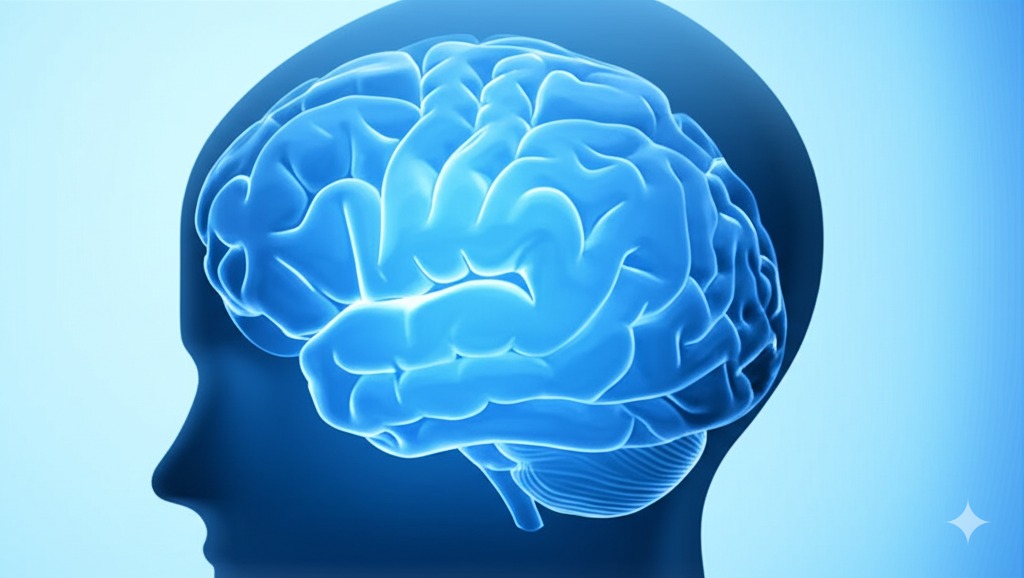
ecovery depletes neurotransmitter reserves, weakens synaptic integrity, and accelerates neurodegeneration.
How Pilates Helps Prevent Alzheimer’s
Pilates, a mind-body exercise method, plays a crucial role in promoting brain health and potentially preventing Alzheimer’s disease through various mechanisms:
1. Improves Blood Circulation & Oxygenation
Pilates enhances circulation by promoting efficient movement, breath control, and posture alignment. Increased blood flow to the brain delivers more oxygen and nutrients, helping to clear metabolic waste and reduce oxidative stress. Proper oxygenation is vital for neuronal health and cognitive function.
2. Enhances Mitochondrial Function
Physical activity, including Pilates, stimulates mitochondrial biogenesis and efficiency. Stronger mitochondria produce energy more effectively, reducing free radical damage and supporting overall brain function. Healthy mitochondria play a key role in preventing neurodegenerative diseases.
3. Boosts Neuroplasticity
Neuroplasticity refers to the brain’s ability to adapt by forming new neural connections. Pilates engages the body in coordinated movement patterns that challenge the brain, reinforcing neural pathways and promoting cognitive resilience. This adaptability helps delay cognitive decline and maintain memory function.
4. Reduces Stress & Lowers Cortisol
Chronic stress and high cortisol levels have been linked to neurodegeneration and an increased risk of Alzheimer’s disease. Pilates encourages relaxation, activates the parasympathetic nervous system, and reduces cortisol production. This stress regulation protects the hippocampus, the brain region responsible for memory formation and retrieval.
5. Improves Brain-Body Coordination
Many Pilates exercises require precise control of movement, balance, and proprioception. These elements engage multiple sensory and motor pathways, strengthening brain-body coordination and reinforcing motor memory. Such activities stimulate neural circuits that are essential for maintaining cognitive and motor function in aging populations.
6. Enhances Cognitive Engagement
Unlike repetitive exercise routines, Pilates demands active concentration and mental focus. Each movement requires conscious control, proper breathing, and alignment, which stimulates cognitive processing. This engagement enhances mental agility, memory, and problem-solving skills.
7. Regulates Neurotransmitters & Brain-Derived Neurotrophic Factor (BDNF)
Pilates supports neurotransmitter balance, including dopamine and serotonin, which regulate mood and cognition. Additionally, physical exercise boosts levels of brain-derived neurotrophic factor (BDNF), a protein crucial for neuronal growth, repair, and synaptic plasticity. Higher BDNF levels are associated with a reduced risk of Alzheimer’s.
© Pilates Fitness 2025. All Rights Reserved